
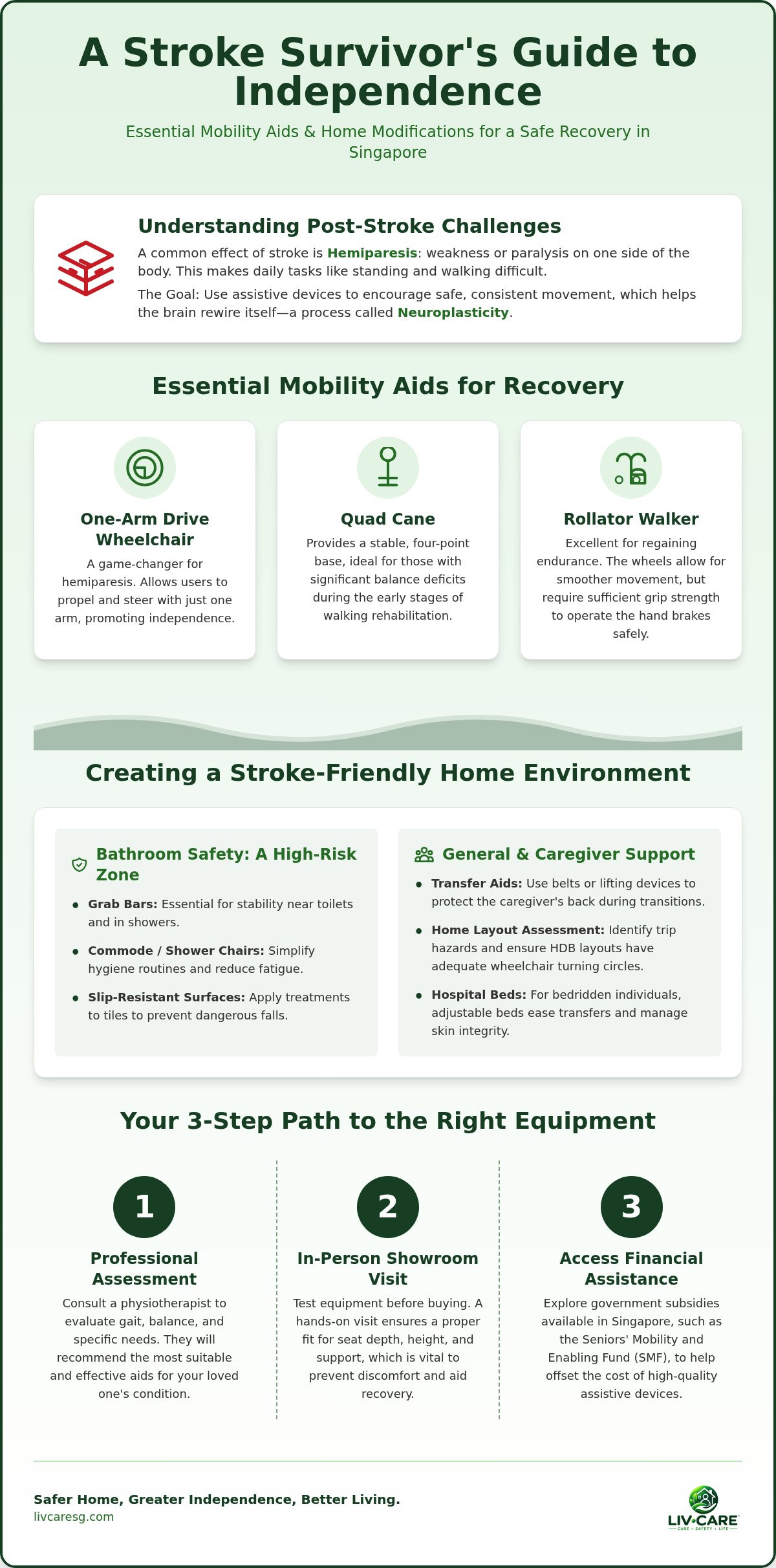
Mobility Aids for Stroke Patients in Singapore: A 2026 Caregiver Resource

Last week, Mdm Tan realized that a standard walker was insufficient when her husband, a recent stroke survivor, couldn't steady himself due to his weakened right side. It's a stressful realization that many local families face. You likely feel the same pressure to ensure safety at home while worrying about the cost of specialized gear or picking the wrong equipment for a small HDB layout.
This resource will help you discover the essential mobility aids for stroke patients Singapore experts recommend to support recovery and rebuild independence. We'll break down the best equipment for one-sided weakness, explain how to access the latest 2026 SMF and ATF subsidies, and give you the confidence to choose tools that truly fit your home and your loved one's needs. Understanding these options is the first step toward a safer, more sustainable care journey for your family.
Table of Contents
Navigating Mobility Challenges and Stroke Recovery in Singapore
Stroke often results in hemiparesis, which is weakness or paralysis on one side of the body. This condition makes simple tasks like standing or walking feel incredibly difficult and exhausting for both the patient and the caregiver. Choosing a suitable Mobility aid early in the recovery process is vital for rebuilding strength. It isn't just about moving; it's about stimulating the brain to rewire itself through consistent, supported movement.
To better understand how a stroke impacts the body and why immediate action is necessary, watch this helpful video:
In Singapore, recovery happens within specific urban environments. Most HDB estates now feature barrier-free access, but navigating narrow corridors or using public transport requires specific mobility aids for stroke patients Singapore residents can rely on. Lightweight, foldable equipment helps caregivers manage bus and MRT transfers without physical strain. When using the MRT, a stable walker or a compact wheelchair ensures the patient can handle the gaps between the platform and the train safely.
The Role of Assistive Technology in Post-Stroke Independence
Assistive technology has evolved beyond basic sticks to include sophisticated tools like electric wheelchairs and smart home aids. These devices empower patients to regain autonomy in their daily lives. A professional assessment by a physiotherapist is crucial to ensure these tools match your loved one's specific impairment level. They evaluate gait and balance, making mobility aids for stroke patients Singapore effective for long-term rehabilitation. Correctly fitted equipment prevents secondary complications like pressure sores or falls, ensuring the patient remains safe while they focus on their physical therapy.
Essential Mobility Aids and Home Care Equipment for Stroke Patients
Selecting mobility aids for stroke patients Singapore families trust requires looking beyond general features. For those with hemiparesis, a "one-arm drive" wheelchair is a game-changer. It allows the user to steer and propel using just one side of their body. Seat width should be precisely measured to prevent the patient from sliding, while adjustable armrests support the weakened limb to prevent shoulder strain.
When transitioning to walking, quad canes provide a stable four-point base for those with significant balance deficits. In contrast, rollator walkers are ideal for patients regaining endurance, though they require enough grip strength to operate the brakes. For bedridden individuals, hospital beds and pressure mattresses are clinical necessities to manage skin integrity and facilitate easier transfers. You can browse our curated range of mobility aids and hospital beds to find the right fit for your home.
Safety Modifications for a Stroke-Friendly Home Environment
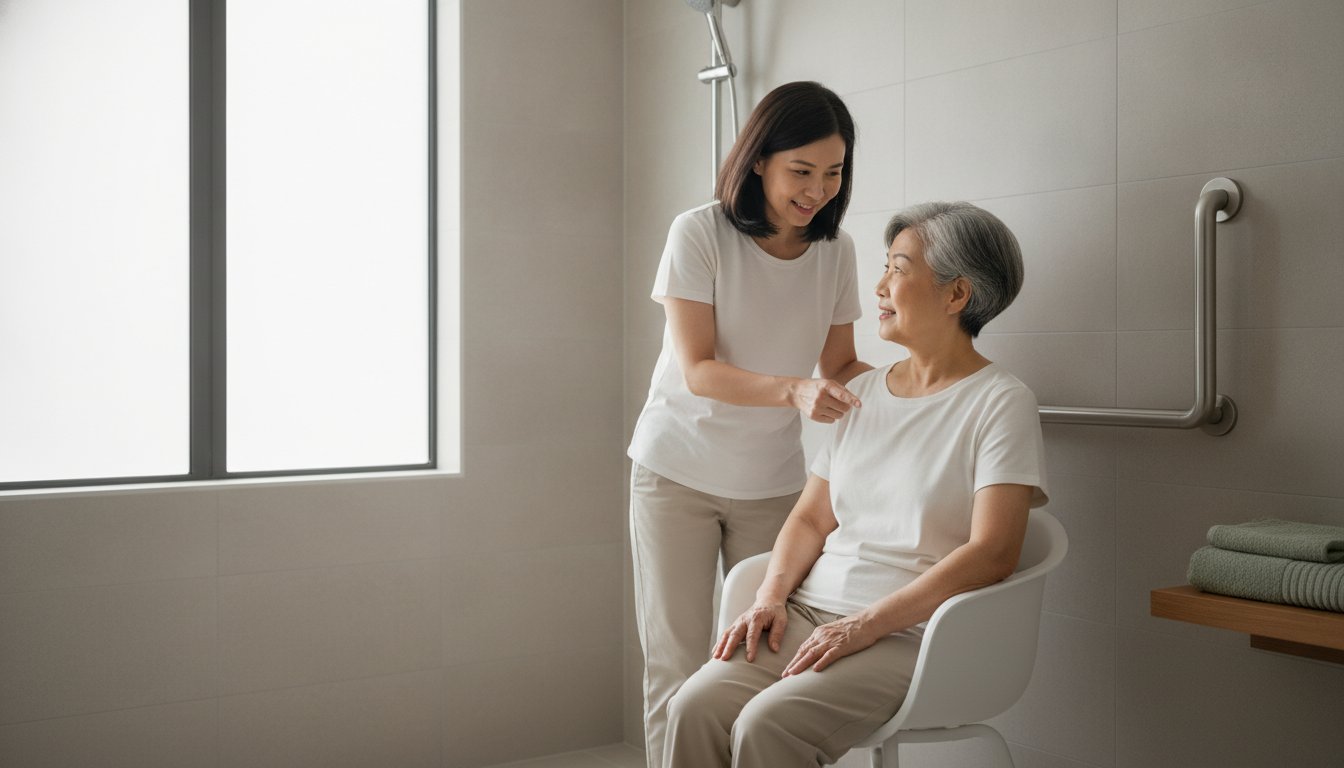
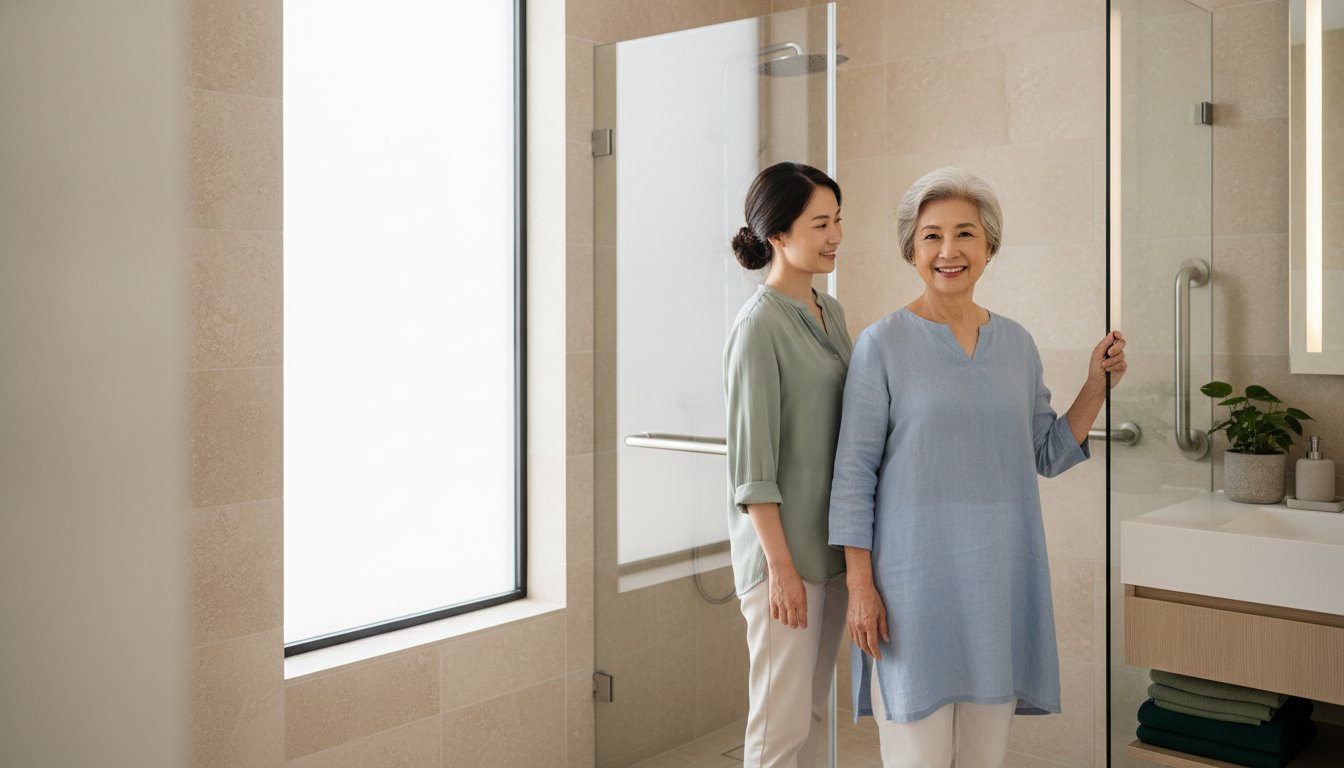
Bathrooms are high-risk zones where slip-resistant treatments and grab bars are essential. A commode chair also simplifies hygiene routines when mobility is limited. Many families benefit from professional Home Care Assessments to identify trip hazards and ensure HDB layouts accommodate wheelchair turning circles.
Caregivers should also utilize transfer belts or lifting aids. These Assistive Technology Devices protect the caregiver's back during daily transitions from bed to chair. By optimizing the physical space and selecting the right mobility aids for stroke patients Singapore healthcare experts recommend, you create a supportive environment that encourages movement with confidence.
Selecting Equipment and Navigating Financial Assistance in Singapore
Choosing the right tools involves more than just reading a brochure. Visiting a Liv.Care Singapore medical equipment showroom is the most reliable way to ensure a proper fit for your loved one's specific needs. Working with experts allows you to test seat depth and backrest support in person. This hands-on approach is vital because a mismatch can hinder recovery or cause discomfort. Once you've selected a device, a final fitting ensures it's perfectly tailored to the patient's height and weight.
Managing the financial aspect of care is often the top priority for families. In 2026, the Seniors' Mobility and Enabling Fund (SMF) continues to offer up to 90% subsidies for eligible Singaporeans and PRs aged 60 and above. The household monthly income per person threshold is $4,800. It's essential to get a formal assessment from a therapist before buying, as retrospective claims aren't allowed. The fee for this assessment typically ranges from $10 to $180 based on your subsidy tier. These mobility aids for stroke patients Singapore subsidies make high-quality care accessible for more households.
Testing foldable wheelchairs at Liv.Care Singapore is particularly important for caregiver ease and daily logistics. You need to know if the chair fits in your car boot or if it's light enough for frequent use. A physical trial helps you feel the weight and see the folding mechanism firsthand, ensuring the equipment doesn't become a burden during transport.
Integrating Long-Term Support with Care Membership Programs
Stroke recovery is rarely static. A patient's needs often change as they regain strength or require different levels of assistance. Liv.Care Singapore's Care Membership programs provide a sustainable partnership rather than a one-off transaction. These programs offer equipment adjustments as mobility improves and provide discounts on maintenance or replacement parts. This ensures your investment in mobility aids for stroke patients Singapore remains effective and reliable through 2026 and beyond.
Building a Safer Path to Independence
Supporting a loved one through stroke recovery is a marathon, not a sprint. By selecting the right mobility aids for stroke patients Singapore experts recommend, you aren't just buying equipment; you're investing in their safety and long-term neuroplasticity. A professional Home Care Assessment helps resolve anxieties about HDB layouts, while leveraging 2026 SMF subsidies ensures high-quality care remains affordable for your family.
We are here to walk this path with you. You can visit our Singapore showroom for a personalized fitting or join our Care Membership for ongoing support and exclusive benefits. Explore our curated range of stroke-recovery mobility aids to find the perfect match for your home. With the right tools and a dedicated partner, your loved one can regain the confidence to move forward safely and independently.
Frequently Asked Questions
What are the most common mobility aids for stroke patients in Singapore?
The most common mobility aids for stroke patients Singapore families utilize include quad canes for extra stability and wheelchairs specifically configured for one-sided weakness. Rollators are frequently chosen for patients who've regained some balance but need support for longer distances. In the home, hospital beds and commodes are essential for maintaining safety and comfort during daily recovery routines.
Can I use the Seniors’ Mobility and Enabling Fund (SMF) for stroke equipment?
Yes, you can apply for SMF subsidies to cover up to 90% of the cost for essential devices like wheelchairs or hospital beds. For 2026, the household monthly income per capita threshold is $4,800 for Singapore Citizens and Permanent Residents aged 60 and above. You must complete a professional assessment before buying the equipment to qualify for these financial aids.
Should I choose a manual or electric wheelchair for a stroke survivor?
This decision depends on the user's cognitive ability and physical strength. Manual wheelchairs with a one-arm drive allow patients to propel themselves using their stronger side, which can aid rehabilitation. Electric wheelchairs provide more autonomy for those with limited arm strength. It's helpful to trial both at a showroom to determine which model the patient and caregiver can manage most effectively.
How do I know if my home is safe for a stroke patient returning from the hospital?
A professional Home Care Assessment is the best way to ensure your living space is ready. An expert will evaluate your HDB layout for wheelchair accessibility and identify trip hazards like uneven flooring or loose rugs. Installing bathroom grab bars and ensuring clear pathways are critical steps. These modifications reduce the risk of falls and provide a safer environment for long-term recovery.

Comments